


Skip to content
Contract-aware revenue integrity for hospitals and health systemsEvery finding cites the contractReport-only, your team decidesHIPAA BAA signed before any data moves

HomeAbout

Contract-aware revenue integrity

About Clinical Speed

Clinical Speed is the contract-aware revenue integrity division of the Beto Paredes Family of Companies. It exists to make a hospital's payer contracts executable, so that every claim the hospital sends and every remittance it receives is priced against what the payer agreed to pay. The division joins disciplines that hospitals usually buy from separate firms: contract engineering, forensic underpayment audit, appeal recovery, chargemaster analysis and charge integrity. Its clients run from hospitals of about $75 million in revenue to multi-billion-dollar health systems, and its work is read by CFOs and by the revenue integrity, managed care, HIM and compliance teams.

Beto Paredes
Beto ParedesFounder and Chief Executive Officer
Loren S. Mann
Loren S. MannExecutive Vice President
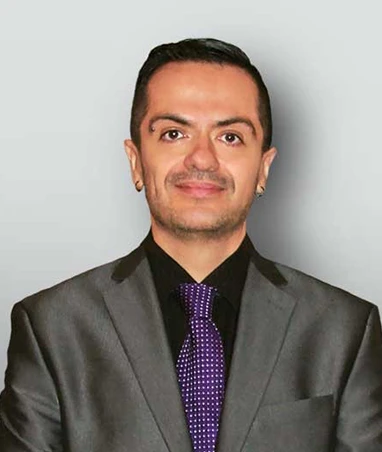
Courtney Garner
Courtney GarnerChief Operating Officer
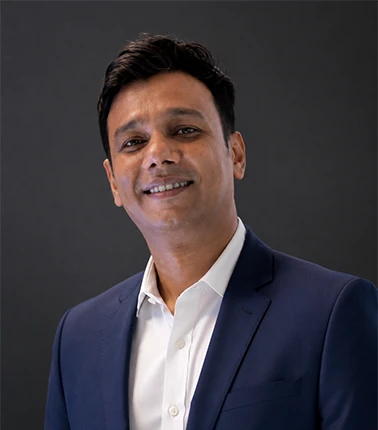
Tapabrata Biswas
Tapabrata BiswasBiomedical Informatics Director
Lannah Paredes
Lannah ParedesChief Technology Officer
30engineers, contract analysts and specialists behind every engagement

People

The leadership of Clinical Speed

The team also includes the contract analysts who code each payer contract, fee schedule and amendment, and who validate every contract with the hospital before it is coded so the model matches the agreement the hospital signed. A former payer executive on the team reviews each business case from the payer's point of view before it reaches the hospital, as a final check on the findings.
Beto Paredes, Founder and Chief Executive Officer

Beto Paredes

Founder and Chief Executive Officer

Beto Paredes is the architect of the Clinical Speed contract engine. He designed the way a payer contract becomes executable logic, line by line and effective-dated, so that every claim and every remit can be priced against what the payer agreed to pay. He leads the division's direction and its largest client relationships. His background spans medical finance, software engineering and bioinformatics, with particular depth in payer auditing and CPT and ICD validation, and he has owned and run software engineering companies since 2002.

Architect of the contract engine

Loren S. Mann, Executive Vice President, Clinical Speed Division

Loren S. Mann

Executive Vice President, Clinical Speed Division

Loren Mann leads Clinical Speed's strategy with academic medical centers and large integrated health systems: executive relationships, contracting strategy and multi-hospital deployment. He spent more than twenty years advising health systems with Huron, The Advisory Board Company, The Chartis Group, Impact Advisors and Deloitte Consulting, including a turnaround at a $2.5 billion academic medical center that delivered more than $90 million in recurring benefit.

Courtney Garner, Chief Operating Officer

Courtney Garner

Chief Operating Officer

Courtney Garner runs Clinical Speed's delivery end to end, from intake and data validation through audit, findings and recovery. She raised average monthly recoveries 27% by tightening claim-file requirements, audit QA and payer follow-up, and cut client onboarding from six weeks to three and a half. She schedules every demo and serves as each hospital's account manager, and she brings fourteen years as a nurse in surgical, hospice and recovery care.

Tapabrata Biswas, Biomedical Informatics Director

Tapabrata Biswas

Biomedical Informatics Director

Tapabrata Biswas runs Clinical Speed development: contract coding, the 835 and 837 engines, and lead engineering on every new client onboarding, including each hospital's EHR access. He also leads the biomedical informatics behind the firm's CPT and ICD-10 engines, the coded clinical logic that Clinical Speed's code-policy model is built on, and the engineers who keep each hospital's contract model current with every amendment.

Leads Clinical Speed development
Lannah Paredes, Chief Technology Officer

Lannah Paredes

Chief Technology Officer

Lannah Paredes has been Chief Technology Officer since 2014. She directs more than 25 architects, developers and designers through agile planning, delivery and maintenance, and owns the architecture and schedule documents behind each system the firm runs, Clinical Speed included. Earlier she ran GIS software teams for some of the largest mining and energy companies in the world, delivering more than twenty platforms under her project management.

BBB Accredited Business, A+ rating

Backed by the Beto Paredes Family of Companies

Clinical Speed is a division of the Beto Paredes Family of Companies, an engineering firm in continuous operation since 2004, with more than 2,500 projects designed, built and launched, a team of 30 engineers and specialists, and two companies holding A+ BBB ratings. Its healthcare software covers bioinformatics, diagnostics and patient evaluation, medical necessity, CPT and ICD validation, and medical finance and reimbursement, which is why Clinical Speed reads a payer contract as code policy and executes it as logic.

2,500+projects designed, built and launched since 2004
30engineers and specialists
A+BBB rating at two family companies

Method

How we work

Clinical Speed works from evidence in every engagement, so expected payment comes from the executed contract, every finding cites the clause that governs it, and the hospital verifies each finding before anything is filed.

This report-only design means the platform never writes to a claim or a ledger, which lets compliance approve it. Underpayment recovery is contingency-based, invoiced only after recovered cash is reconciled and posted to the hospital's accounts. Weekly reporting keeps the hospital's finance and revenue-cycle leaders current on every case.
One contract engine with two surfaces: the Underpayment Audit on the 835 and the Max Allowable Audit on the 837ContractsFee schedulesAmendmentsONE EXECUTABLE CONTRACT ENGINEYour contracts, executedEvery value on every page, effective-datedPriced on the rate sheet in forceEvery finding cites the clauseDeterministic expected allowed835 · AFTER THE REMIT RETURNSUnderpayment AuditAfter payment, contingency-based100% contract digitization12 to 24 month lookbackLine-level variancesAI-assisted appealsWeekly reportingRecovered by clause-cited appeal837 · YOUR CHARGES AND OUTBOUND CLAIMSMax Allowable AuditYour chargemaster against your contractsM1Lost to CapM2Contract Basis by service lineM3CDM Repricing ProposalM4Pre-Submission Contract QAM5Cap-risk and denial-risk flagsStopped at the source, report-onlyReport-only by designNothing is written back to the claim, the codes or the ledgerONE ENGINE. TWO SURFACES. ONE COPY OF YOUR CONTRACTS.
One contract engine with two surfaces: the Underpayment Audit on the 835 and the Max Allowable Audit on the 837ContractsFee schedulesAmendmentsONE EXECUTABLE CONTRACT ENGINEYour contracts, executedEvery value on every page, effective-datedPriced on the rate sheet in forceEvery finding cites the clauseDeterministic expected allowed835 · AFTER THE REMIT RETURNSUnderpayment AuditAfter payment, contingency-based100% contract digitization12 to 24 month lookbackLine-level variancesAI-assisted appealsWeekly reportingRecovered by clause-cited appeal837 · YOUR CHARGES AND OUTBOUND CLAIMSMax Allowable AuditYour chargemaster against your contractsM1Lost to CapM2Contract Basis by service lineM3CDM Repricing ProposalM4Pre-Submission Contract QAM5Cap-risk and denial-risk flagsStopped at the source, report-only

Request a demo

Meet the team on a demo

Clients run from hospitals of about $75M to multi-billion-dollar health systems. References are offered case by case during initial discussions.